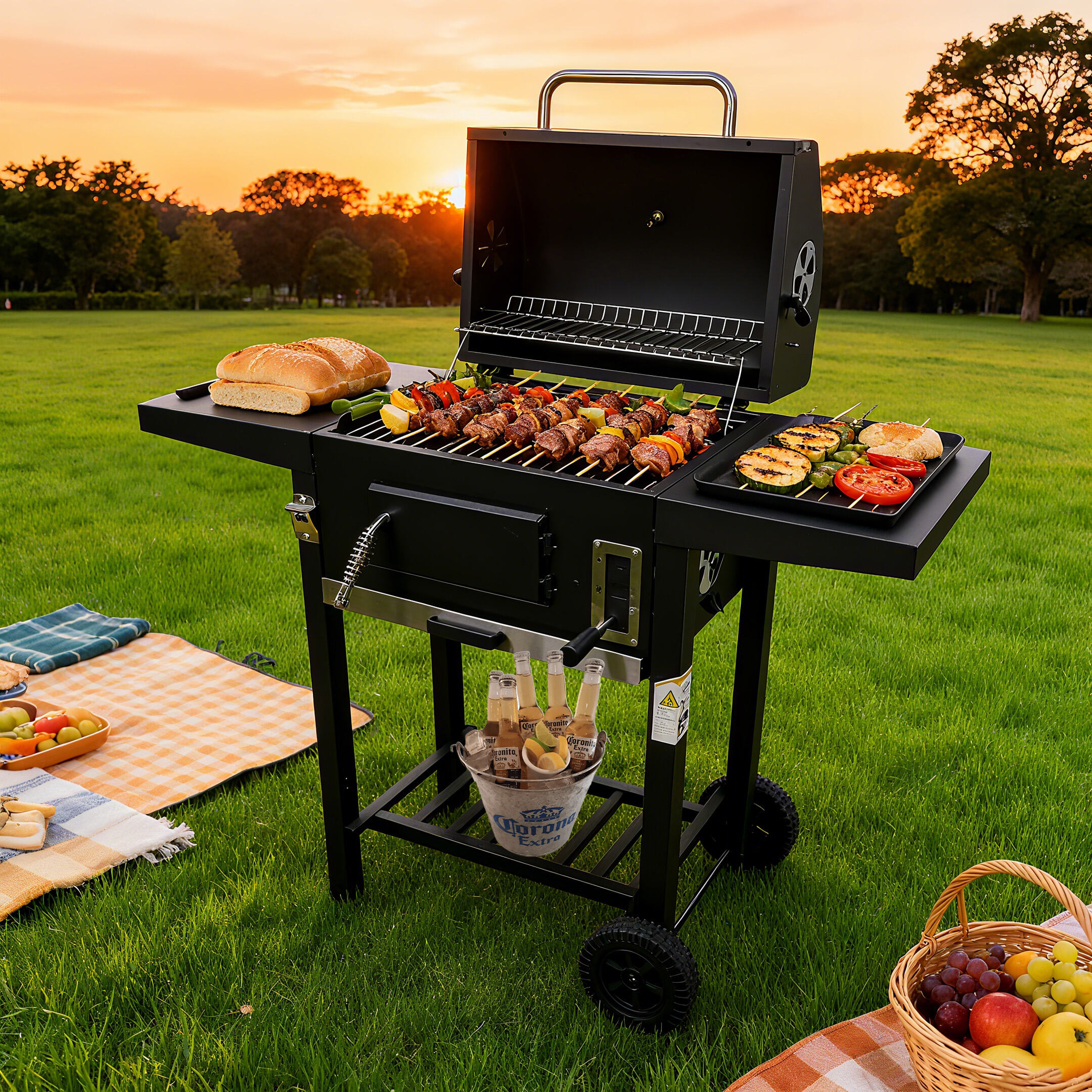
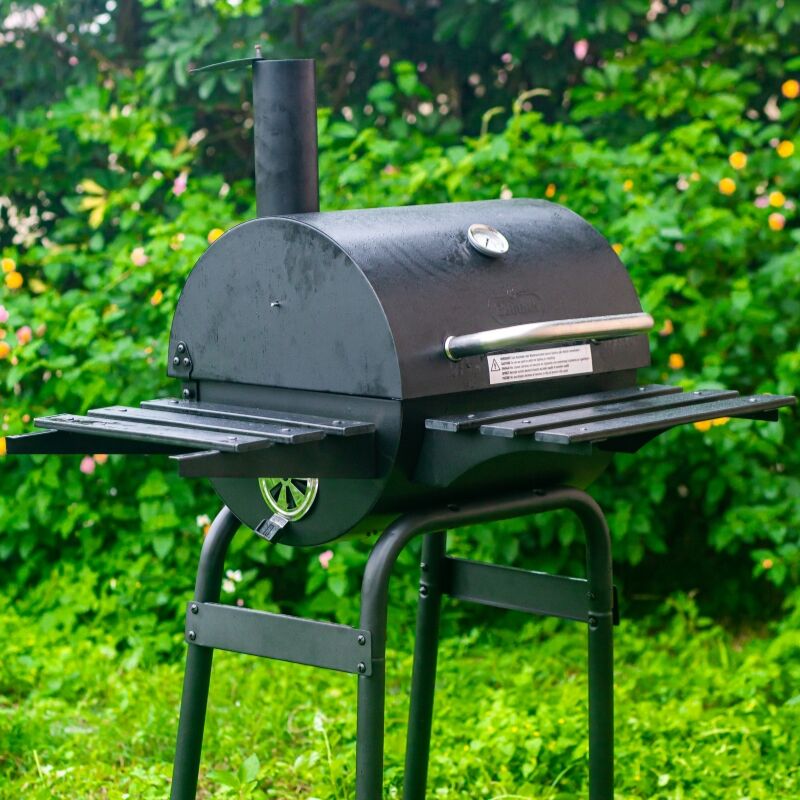
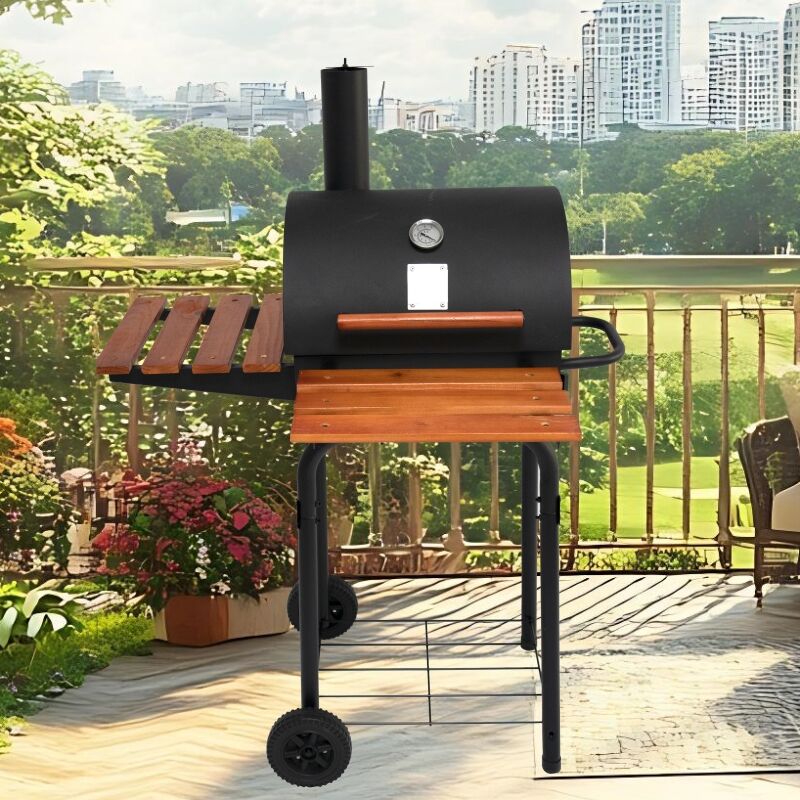
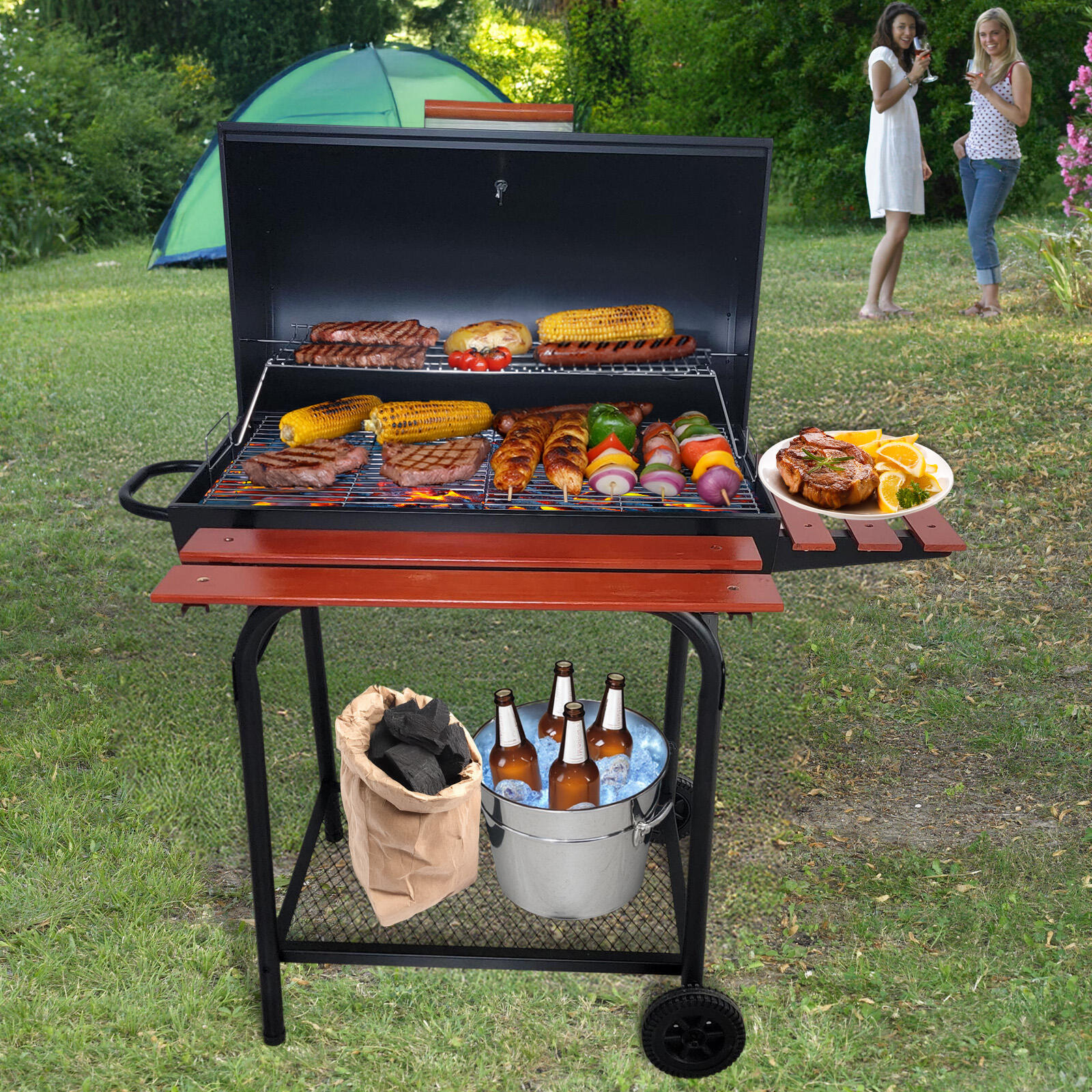
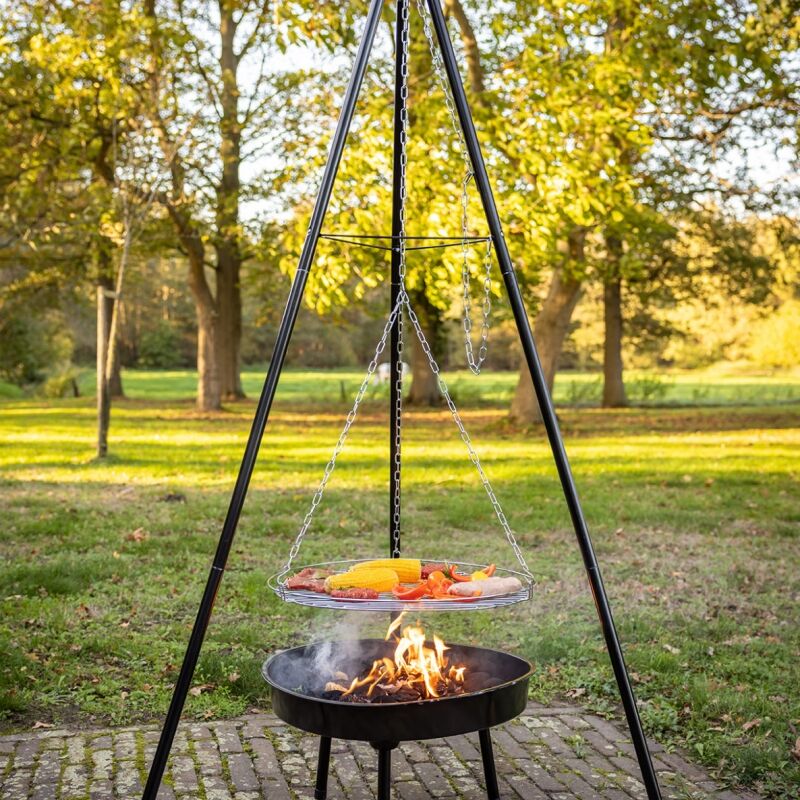
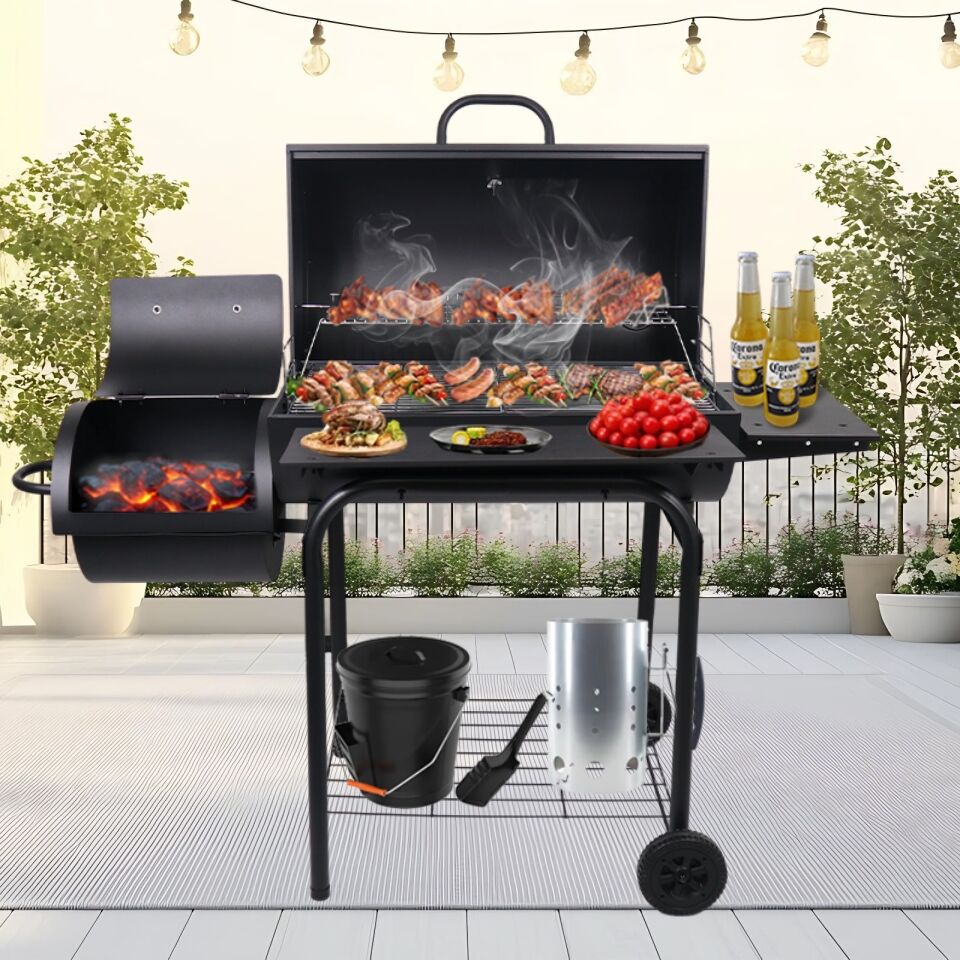
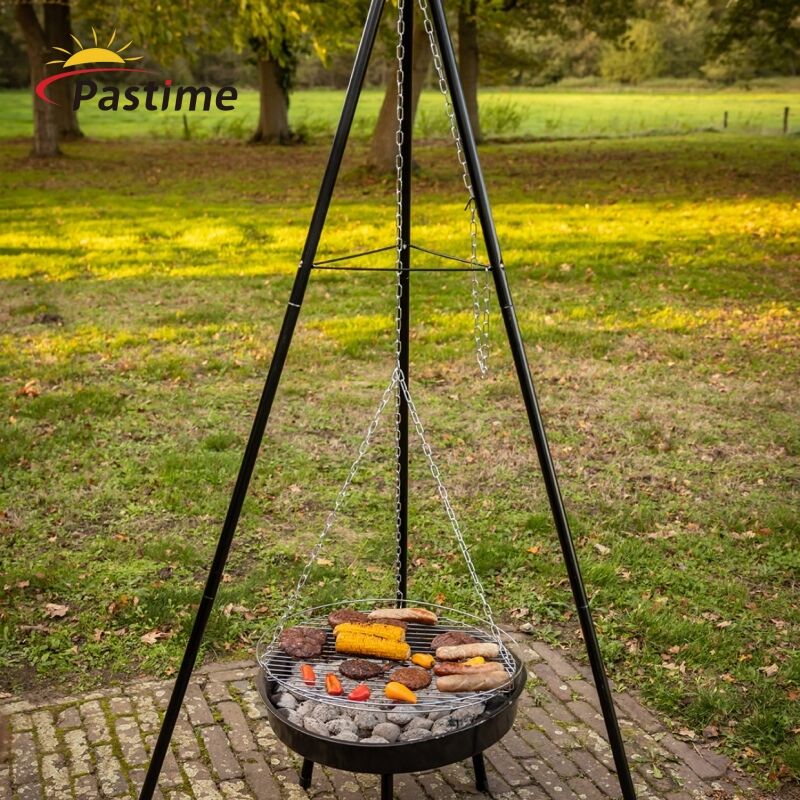
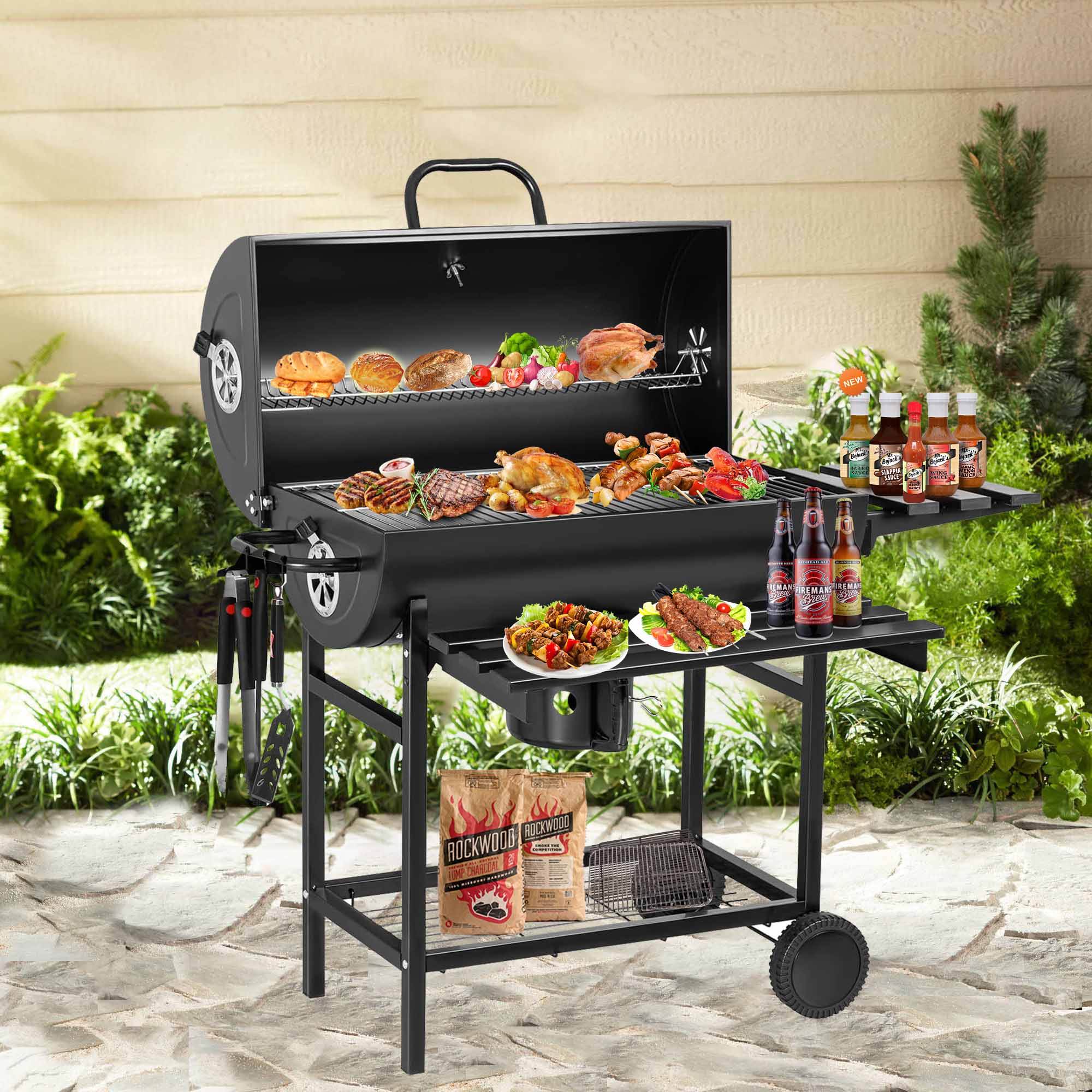
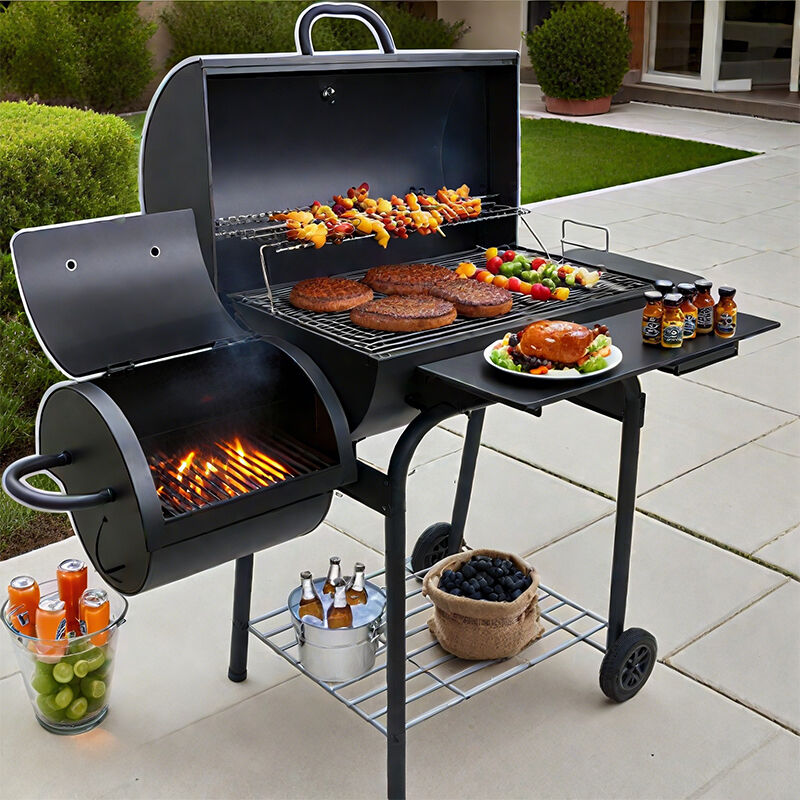
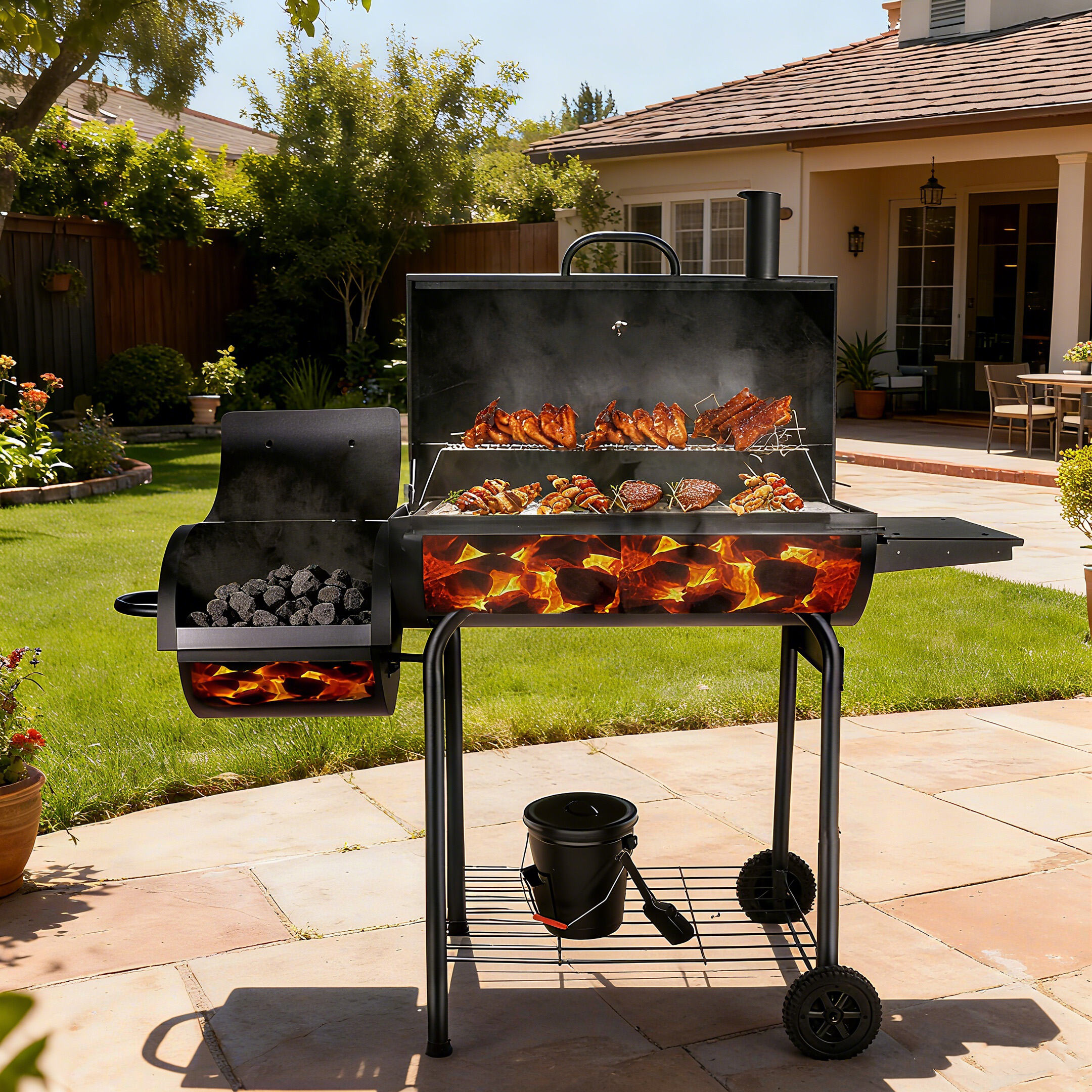
The charcoal barbecue smoker represents a convergence of tradition, science, and sensory pleasure, standing as a definitive tool for the serious outdoor culinary enthusiast. Its appeal transcends mere cooking; it is an engagement with elemental forces—fire and smoke—to transform raw ingredients into complex, deeply satisfying meals. In a world of instant digital gratification, the charcoal smoker demands patience, attention, and skill, offering a tangible and rewarding counterpoint that fulfills a growing human desire for authentic, hands-on experiences.
To understand the charcoal barbecue smoker is to first distinguish its dual nature. The term "barbecue smoker" itself denotes a hybrid capability. The barbecue function, often called grilling, utilizes direct, radiant heat from glowing coals placed beneath the food. This high-temperature method (often exceeding 400°F or 204°C) is ideal for searing, creating the Maillard reaction responsible for rich, savory flavors and characteristic char marks on steaks, chops, burgers, and vegetables. It is a technique of speed and intensity.
Conversely, the smoker function employs indirect heat and smoldering wood smoke. Here, the charcoal is positioned away from the food, often in a separate firebox or to one side of the chamber. The goal is a lower, steady temperature range, typically between 225°F and 275°F (107°C and 135°C). Smoke from added wood chunks or chips circulates slowly around the food in a moist, convective environment. This gentle, prolonged cooking breaks down tough collagen in meats like brisket, pork shoulder, and ribs into gelatin, resulting in sublime tenderness while simultaneously perfusing the food with aromatic compounds from the smoke. This is the alchemy of true barbecue.
The engineering excellence of a superior unit, like those from Pastime, lies in facilitating both methods with control and efficiency. This is governed by the principles of thermodynamics and airflow dynamics. Intake dampers at the base regulate oxygen flow to the fire, controlling its intensity. Exhaust dampers or a chimney at the top create a draft, pulling heat and smoke through the cooking chamber. Mastering this "vent ballet" is the key to temperature stability. Furthermore, features like adjustable charcoal grates, baffle plates, and water pans are not mere accessories; they are critical tools for managing heat distribution and adding humidity to prevent food from drying out during long smokes.
Culturally, the charcoal smoker is a global unifier with local accents. While the American South may be famous for its pulled pork and beef brisket, the techniques and the tool resonate worldwide. In Argentina, an asador might use a similar setup for slow-cooking asado. In Japan, the principles apply to yakitori grilled over binchotan charcoal. This universality makes the charcoal barbecue smoker a versatile canvas for culinary exploration, adaptable to a world of flavors and ingredients.
Ultimately, investing in a high-quality charcoal barbecue smoker is an investment in a lifestyle. It fosters patience, as a successful brisket can be a 12-hour meditation. It encourages learning and experimentation. Most importantly, it inherently promotes community. The extended cooking time naturally draws people together, fostering conversation and shared anticipation. The smoky aroma becomes an invitation. The meal that results is not just nourishment; it is a story, a shared achievement, a centerpiece for connection. In this way, the Pastime Charcoal Barbecue Smoker fulfills its highest purpose: to be the instrument through which we create those cherished, slow-paced, and flavor-rich pastimes that enrich our lives and bring us closer to the people who matter most.
 EN
EN