The Complete Guide to Cast Iron BBQ Grills: Tradition Meets Performance
The Cast Iron BBQ Grill represents centuries of cooking wisdom combined with modern manufacturing excellence. This traditional material has remained a favorite among professional chefs and cooking enthusiasts because it delivers what modern materials often cannot: unparalleled heat management and cooking performance. Understanding the unique properties of cast iron and how to properly utilize and maintain these grills is essential for anyone serious about outdoor cooking and achieving consistently exceptional results.
The science behind cast iron's cooking superiority lies in its fundamental material properties. Cast iron is exceptionally dense and heavy, giving it what's known as high thermal mass. This means it absorbs heat slowly but once heated, distributes it evenly and retains it remarkably well. Unlike stainless steel or aluminum grills that can develop hot spots, cast iron provides consistent surface temperatures across the entire cooking area. This even heat distribution ensures food cooks uniformly without the need for constant repositioning. The material's excellent heat retention means temperatures remain stable when food is added to the grill, preventing the temperature drops that can ruin a good sear. Furthermore, cast iron excels at infrared radiation cooking - it emits intense, direct heat that sears food surfaces quickly, creating that perfect caramelized crust while locking in natural juices. This combination of conduction and radiation heating creates the ideal environment for developing complex flavors through the Maillard reaction, the chemical process responsible for creating those delicious browned flavors we associate with perfectly grilled food.
The journey of owning a Cast Iron BBQ Grill involves understanding the crucial process of seasoning and maintenance. When first purchased, cast iron requires proper seasoning - a process of baking oil into the porous metal surface to create a natural, non-stick patina. This seasoned surface improves with each use, becoming increasingly non-stick and developing superior cooking properties over time. Proper cleaning involves simple techniques like using coarse salt as a gentle abrasive or mild soap followed by immediate re-oiling. While requiring more care than non-stick coated grills, the reward is a cooking surface that actually improves with age and use. Many cast iron pieces become family heirlooms, passed down through generations while maintaining their excellent cooking characteristics. Modern cast iron manufacturing has also addressed historical concerns about weight and maintenance through improved casting techniques and pre-seasoning processes, making today's Cast Iron BBQ Grills more user-friendly while preserving their legendary performance.
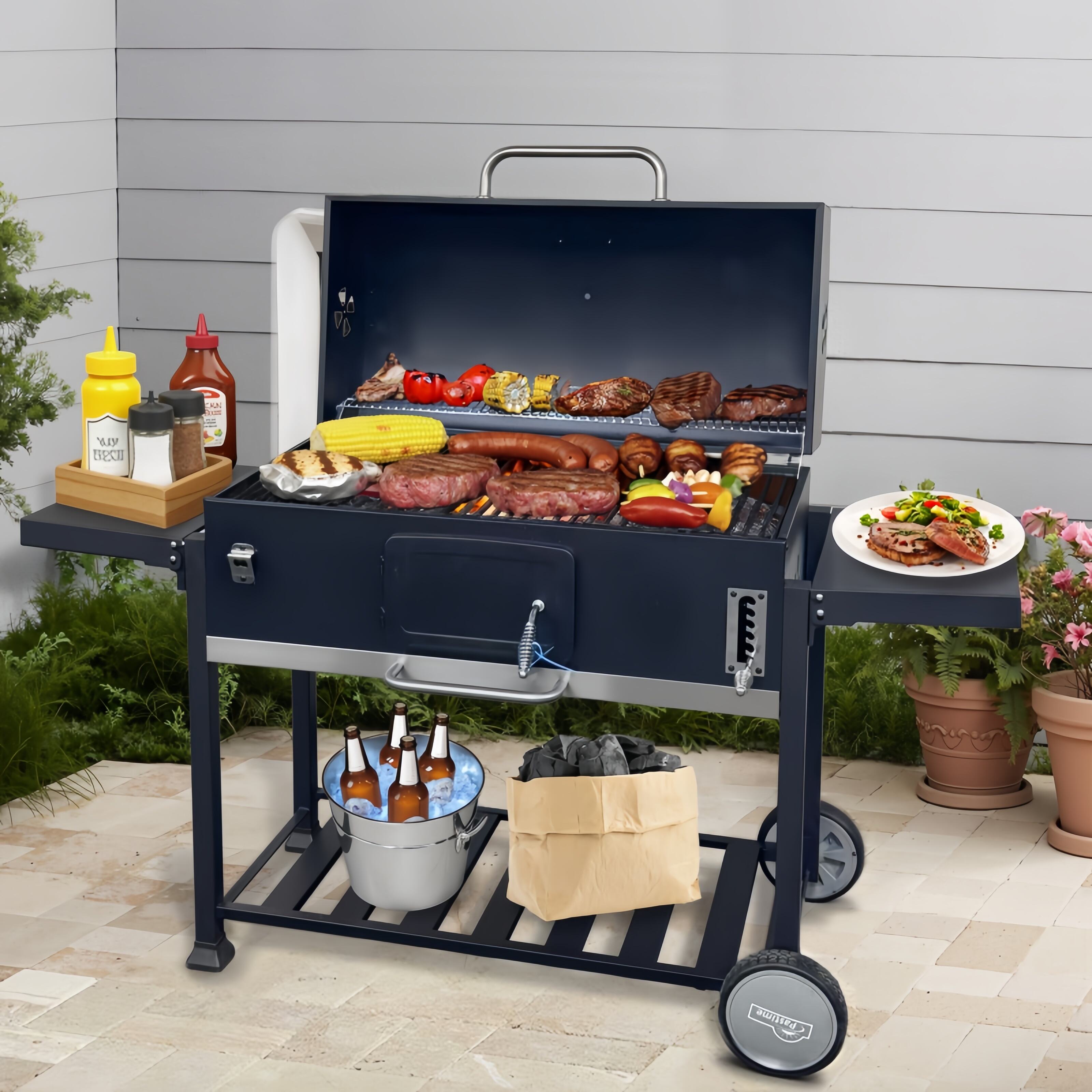
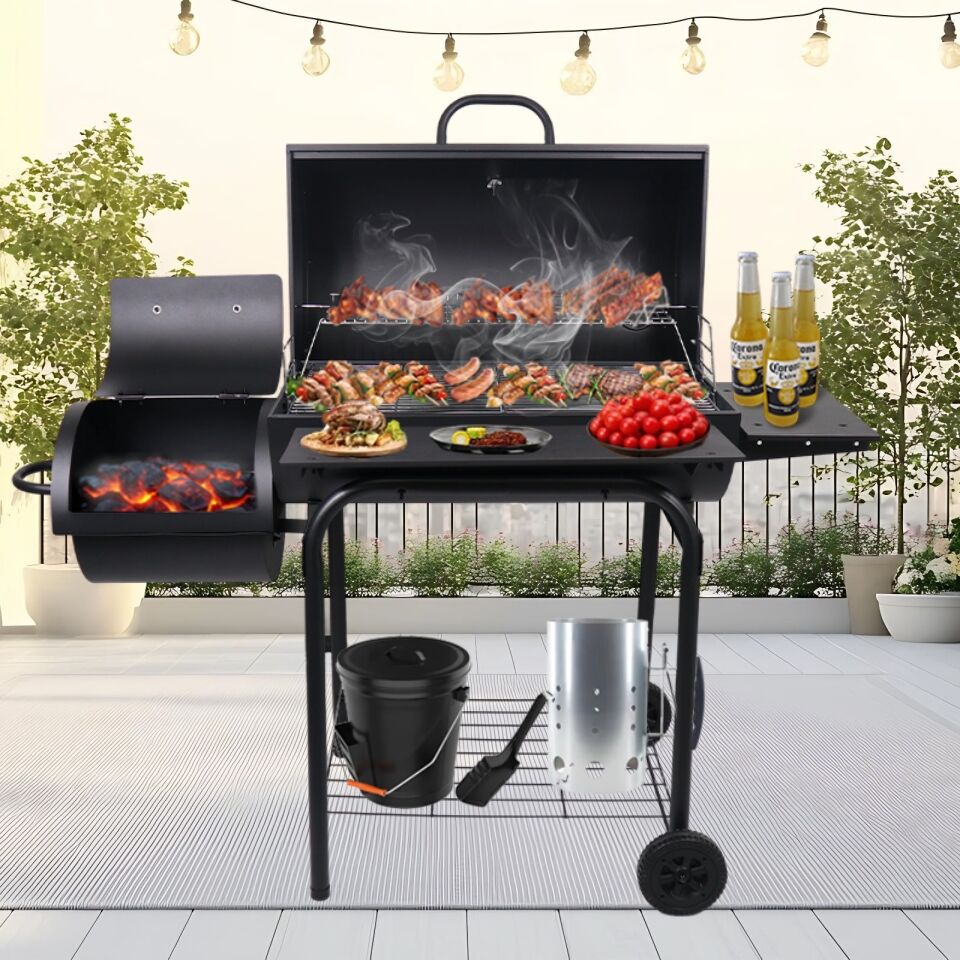
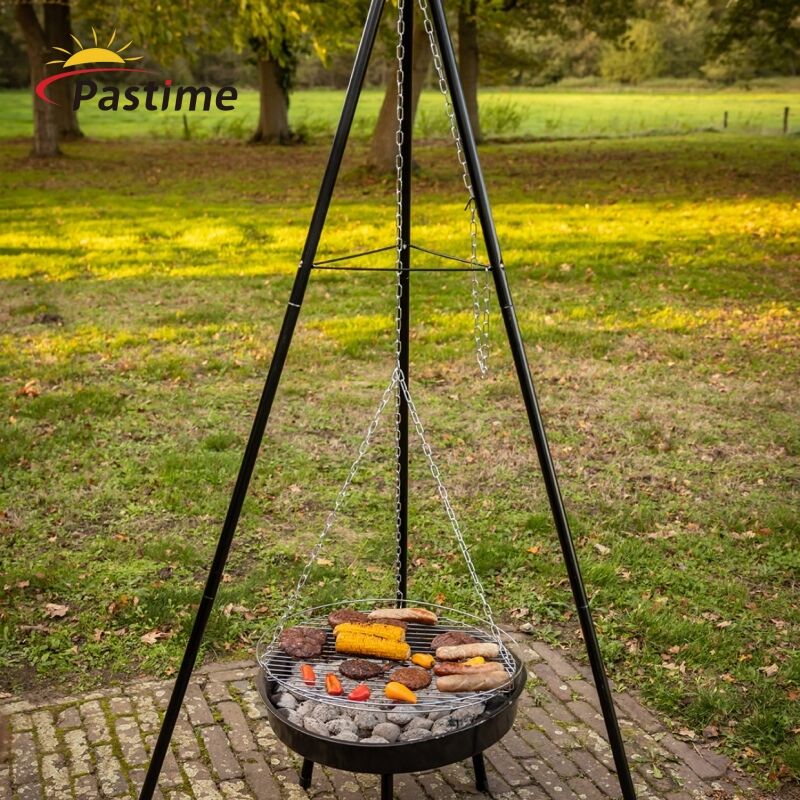
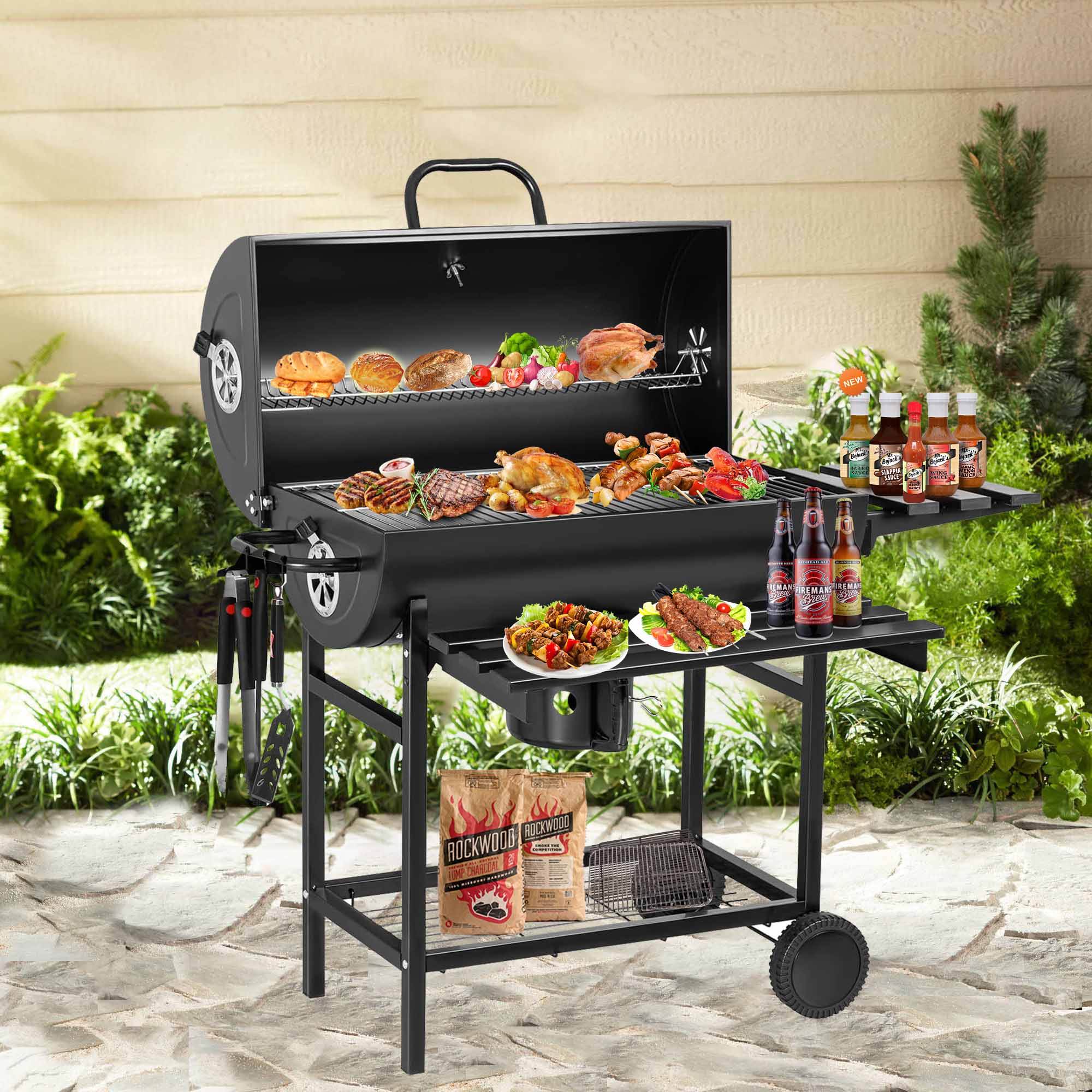
Beyond the technical advantages, cooking with cast iron offers health benefits and environmental advantages that align with contemporary values. Properly seasoned cast iron requires minimal oil for cooking, supporting healthier meal preparation without sacrificing non-stick performance. The material is completely natural and free from synthetic coatings that can degrade over time, making it an eco-friendly choice for conscious consumers. As these grills can last for decades or even centuries with proper care, they represent a sustainable alternative to disposable cooking equipment. The versatility of cast iron extends beyond traditional grilling to include smoking, baking, and even campfire cooking, making it the ultimate choice for outdoor cooking enthusiasts who value performance, durability, and tradition. The Pastime Cast Iron BBQ Grill embodies this heritage while incorporating modern design elements that enhance usability, creating the perfect synthesis of time-tested performance and contemporary convenience for today's discerning grill master.
 EN
EN